London: A City of History and Modernity
Anika Deshmukh
London, a city of rich history and vibrant modernity, continues to captivate with its iconic landmarks and diverse neighborhoods. Under the leadership of Mayor Sadiq Khan, London balances its storied past with progressive initiatives, making it a global hub for culture, finance, and innovation.
London, a city of rich history and vibrant modernity, continues to captivate with its iconic landmarks and diverse neighborhoods. From the ancient streets of the City of London to the bustling markets of Camden, each area tells a story of the city's evolution. As a global hub for culture, finance, and innovation, London seamlessly blends its storied past with the demands of the present. Under the leadership of Mayor Sadiq Khan, the city strives to maintain its historical legacy while embracing progressive initiatives that shape its future.
How London Came to Be
London's Roman history begins with the settlement known as Londinium. Founded around AD 47, it quickly became a bustling hub due to its strategic location on the River Thames. Despite being destroyed by Boudica's uprising in AD 60, the city was rebuilt and flourished as a major Roman center. After the fall of the Roman Empire, London experienced periods of decline and resurgence, notably during the Anglo-Saxon era when it became a significant trading settlement known as Lundenwic. By the medieval period, London had grown into England's largest city, playing a central role in the country's political and economic life. The construction of landmarks like the Tower of London and Westminster Abbey during this time solidified its status as a seat of power. The city continued to expand and modernize through the centuries, surviving plagues, fires, and wars to emerge as a leading global metropolis. Today, London is renowned for its cultural diversity, historical landmarks, and as a center for finance and innovation.
What Makes London Distinctive
London's distinctiveness lies in its ability to preserve its historical essence while fostering innovation and diversity. The city is home to a large number of languages, reflecting its multicultural population. It boasts a rich tapestry of neighborhoods, each with its unique character, from the artistic vibe of Shoreditch to the regal elegance of Kensington. London's commitment to sustainability is evident in its extensive public transport network, including the iconic London Underground, the world's oldest rapid transit system. The city also leads in green initiatives, with numerous parks and green spaces offering residents and visitors a breath of fresh air amidst urban life. Under Mayor Sadiq Khan's leadership, London has implemented policies to reduce pollution and promote clean energy, ensuring a sustainable future for its inhabitants.
EXPLORE THE CITY
Tower Bridge
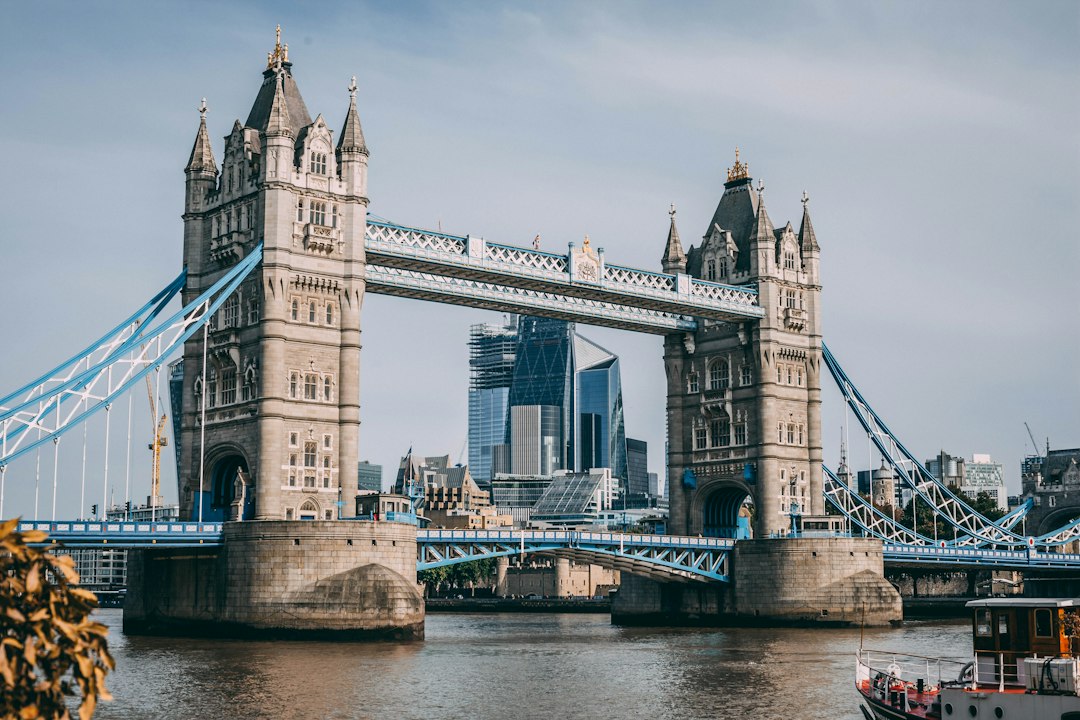
Tower Bridge, an iconic symbol of London, spans the River Thames and connects the boroughs of Tower Hamlets and Southwark. Completed in 1894, this Grade I listed structure is a marvel of Victorian engineering, combining bascule and suspension bridge elements. Designed by Horace Jones and engineered by John Wolfe Barry, Tower Bridge was built to ease road traffic while maintaining river access to the Pool of London. Today, it stands as a testament to London's architectural heritage, offering visitors panoramic views from its high-level walkways and a glimpse into its history through the Tower Bridge Exhibition.
Tower of London
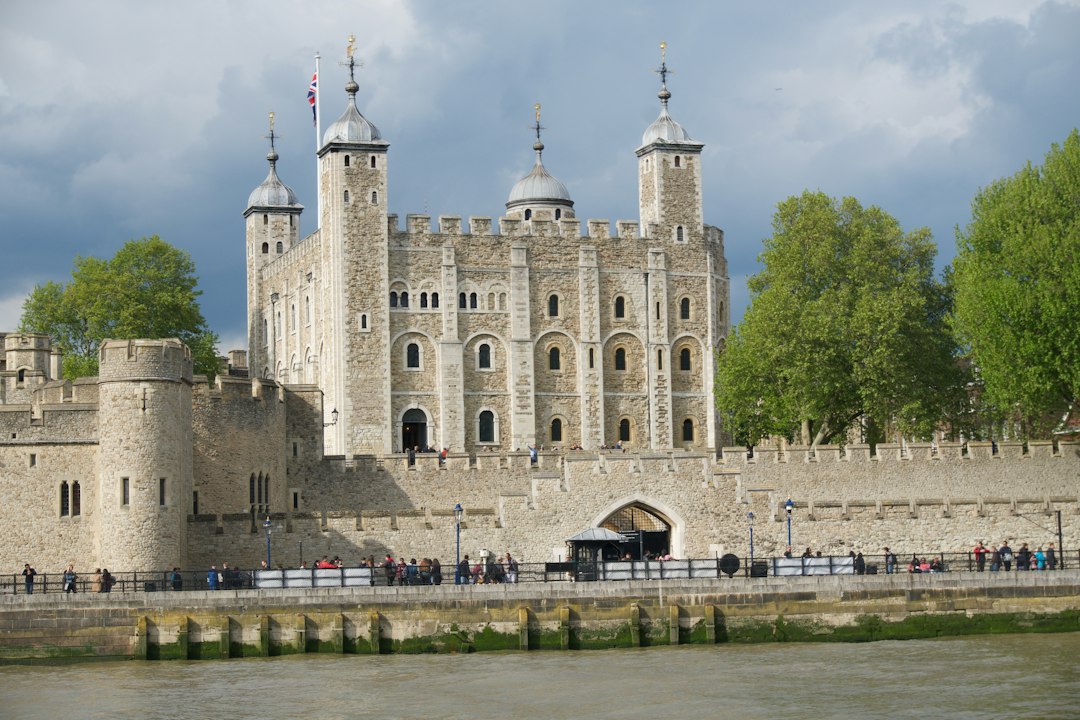
The Tower of London, officially known as His Majesty's Royal Palace and Fortress, is a historic castle on the north bank of the River Thames. Founded in 1066 as part of the Norman Conquest, it has served various roles, including a royal residence, treasury, and prison. The White Tower, built by William the Conqueror, is the oldest part of the complex. Over the centuries, the Tower has witnessed significant historical events, from royal executions to housing the Crown Jewels. Today, it is a UNESCO World Heritage Site and one of London's most popular tourist attractions, drawing millions of visitors annually.
London Eye
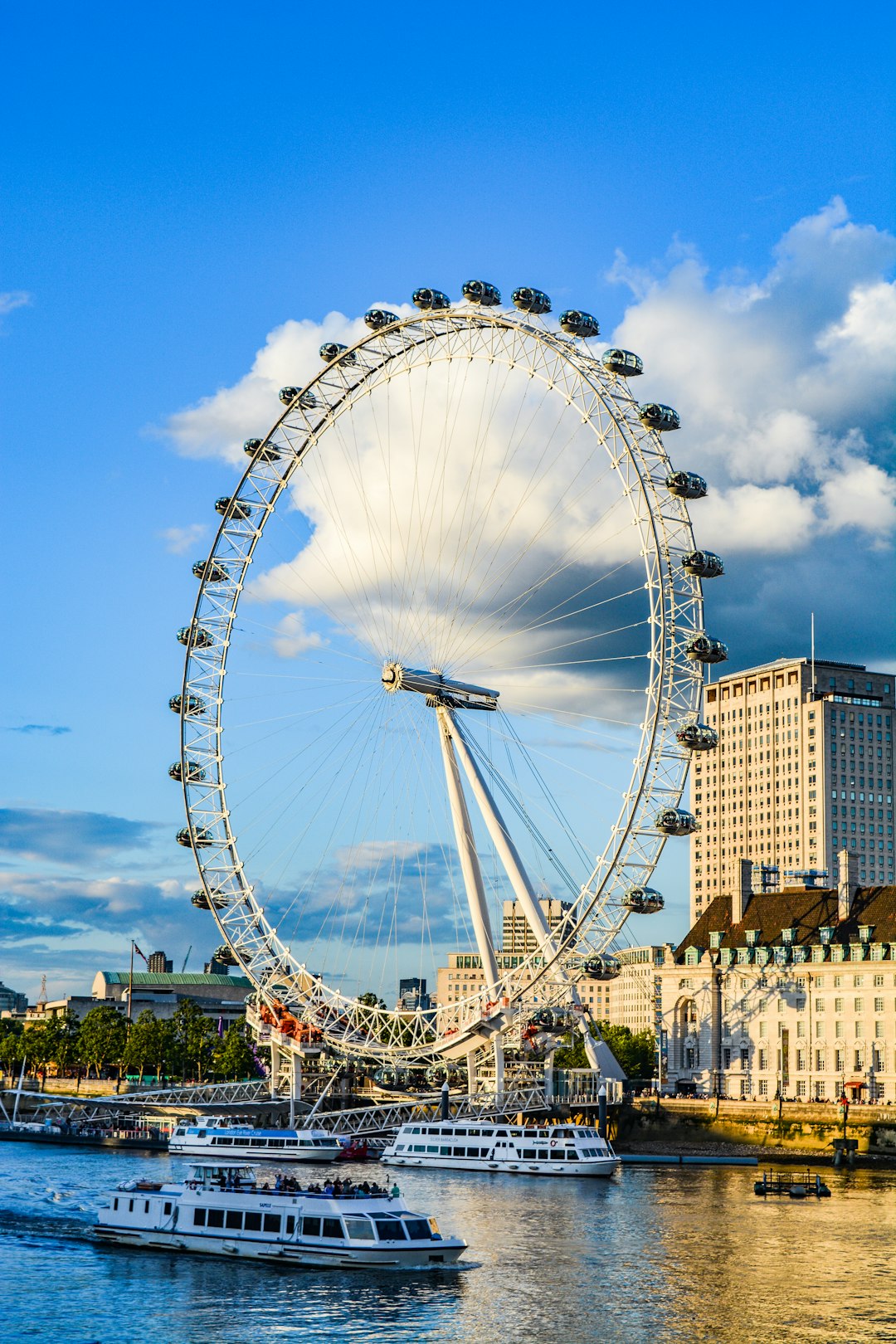
The London Eye, a modern symbol of the city, offers breathtaking views of London's skyline. Opened in 2000, this giant Ferris wheel stands on the South Bank of the River Thames. Designed by Marks Barfield Architects, it was the world's tallest Ferris wheel at its inauguration. The Eye's 32 capsules represent the city's boroughs, providing a unique perspective of landmarks such as Big Ben and St. Paul's Cathedral. As one of the UK's most popular paid attractions, the London Eye embodies the city's blend of innovation and tradition, drawing millions of visitors each year.
WHO’S THE MAYOR?
Sadiq Khan: The Path to Office
Sadiq Khan, the Mayor of London since 2016, was born in Tooting, London, in 1970 to a working-class British Pakistani family. He pursued a law degree at the University of North London and became a solicitor specializing in human rights. Khan's political career began as a councilor for the London Borough of Wandsworth, serving from 1994 to 2006. He was elected as the Member of Parliament for Tooting in 2005, a position he held until becoming mayor. As Mayor, Khan has focused on making London's transport more accessible and reducing pollution. His tenure has seen the introduction of the Ultra Low Emission Zone and initiatives to improve public transport. Khan's leadership reflects his commitment to diversity, sustainability, and social justice, shaping London into a city that honors its past while looking to the future.
Questions That Matter
What year was Tower Bridge completed?
Tower Bridge was completed in 1894. This iconic structure combines elements of bascule and suspension bridge design, serving as a testament to Victorian engineering.
Who designed the London Eye?
The London Eye was designed by Marks Barfield Architects. Opened in 2000, it was the tallest Ferris wheel in the world at its inauguration.