Kyiv: A City of Resilience and Heritage
Anika Deshmukh
Kyiv, the capital of Ukraine, is a city rich in history and culture, with a legacy that spans over a millennium. Under the leadership of Mayor Vitali Klitschko, Kyiv continues to thrive, balancing its historical significance with modern challenges.
Kyiv, the vibrant capital of Ukraine, stands as a testament to resilience and cultural heritage. Nestled along the banks of the Dnieper River, this city of nearly three million people is a hub of industry, education, and history. Its streets echo with tales from its storied past, from its founding legends to its role as the heart of Kievan Rus'. Today, Kyiv is a bustling metropolis that harmoniously blends its rich history with contemporary life, under the leadership of Mayor Vitali Klitschko.
How Kyiv Came to Be
Kyiv's history is a tapestry woven with the threads of various cultures and empires. Officially founded in 482, the city has been a pivotal center since the days of Kievan Rus', the first East Slavic state. It was during this period that Kyiv emerged as a major political and cultural hub, particularly under the rule of Yaroslav the Wise in the 11th century. The city's strategic location on the trade route between Scandinavia and Byzantium facilitated its growth and prosperity. Over the centuries, Kyiv has been shaped by numerous influences, from the Mongol invasion in 1240 to its time under the Polish-Lithuanian Commonwealth and the Russian Empire. Despite these challenges, Kyiv has always managed to rise from the ashes, each time more vibrant and resilient than before. The city played a crucial role during the industrial revolution in the Russian Empire, becoming a center of commerce and industry.
What Makes Kyiv Distinctive
Throughout its history, Kyiv has been a symbol of resilience and determination. The city has faced numerous invasions and occupations, yet it has always emerged stronger. In recent years, Kyiv has continued to evolve, embracing its role as the capital of a sovereign Ukraine. The city has been at the forefront of Ukraine's political and cultural renaissance, particularly following the country's independence in 1991. Kyiv's vibrant cultural scene, with its theaters, museums, and galleries, reflects the city's dynamic spirit and its commitment to preserving its rich heritage while looking towards the future. Under the leadership of Mayor Vitali Klitschko, Kyiv has implemented progressive policies aimed at modernizing the city's infrastructure and enhancing its sustainability. Klitschko, a former world heavyweight boxing champion, has been instrumental in promoting initiatives that address urban challenges, such as improving public transportation and reducing environmental impact.
EXPLORE THE CITY
Kyiv Pechersk Lavra
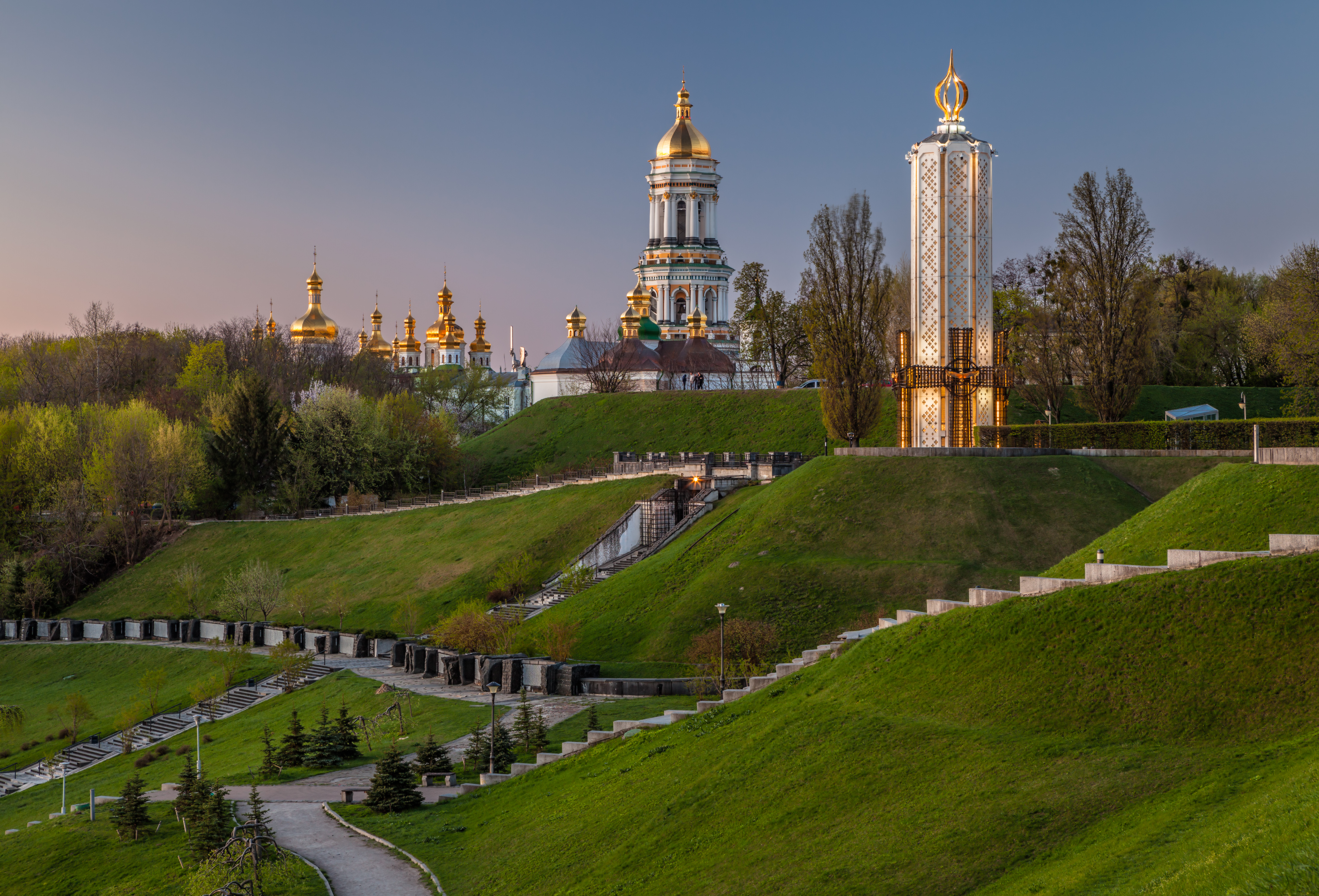
The Kyiv Pechersk Lavra, also known as the Kyiv Monastery of the Caves, is a historic site that has been a center of Eastern Christianity since its foundation in the 11th century. Located in the Pecherskyi District, the Lavra is renowned for its architectural beauty and spiritual significance. It has been a UNESCO World Heritage site since 1990, reflecting its importance as a cultural and religious landmark. The Lavra's complex includes numerous churches, bell towers, and underground caves that house the relics of saints, making it a pilgrimage site for Orthodox Christians worldwide.
Saint Sophia Cathedral
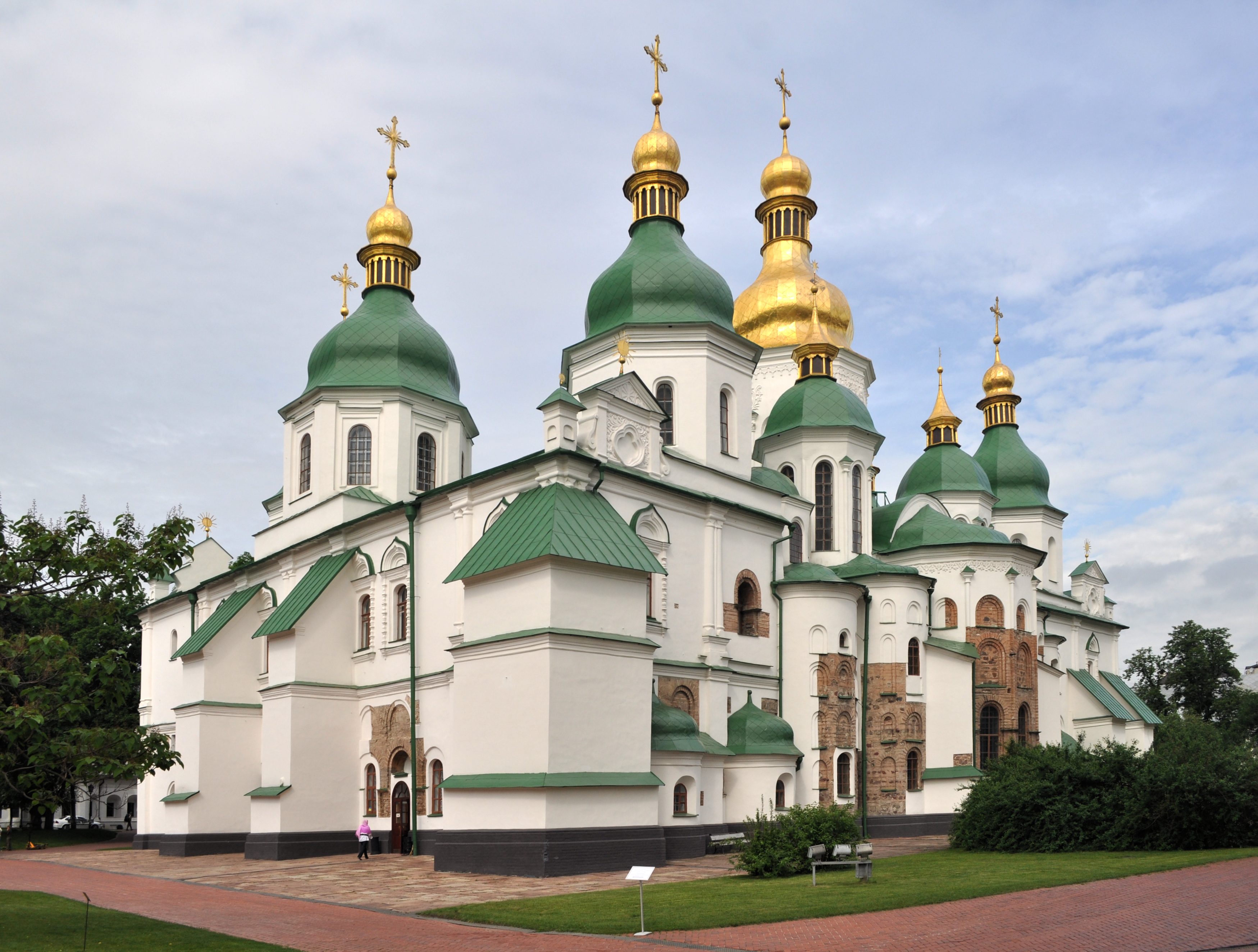
Saint Sophia Cathedral, a masterpiece of Byzantine architecture, stands as a testament to Kyiv's rich cultural heritage. Built in the 11th century during the reign of Yaroslav the Wise, the cathedral is one of the city's most iconic landmarks. It was inscribed on the UNESCO World Heritage List in 1990, alongside the Kyiv Pechersk Lavra. The cathedral's stunning mosaics and frescoes, which have been preserved for centuries, offer a glimpse into the artistic achievements of Kyivan Rus'. Today, Saint Sophia Cathedral serves as a museum, attracting visitors from around the world who come to admire its historical and architectural significance.
St. Michael's Golden-Domed Monastery
St. Michael's Golden-Domed Monastery, with its striking golden domes, is a symbol of Kyiv's resilience and spiritual heritage. Originally built in the Middle Ages, the monastery was destroyed by Soviet authorities in the 1930s but was meticulously reconstructed following Ukraine's independence in 1991. The monastery complex, which includes the cathedral church and the Refectory Church, is a prime example of Ukrainian Baroque architecture. It serves as the headquarters of the Orthodox Church of Ukraine and is a vibrant center of religious and cultural life in the city, drawing visitors with its rich history and stunning architecture.
WHO’S THE MAYOR?
Vitali Klitschko: The Path to Office
Vitali Klitschko, the Mayor of Kyiv, has been a prominent figure in the city's leadership since 2014. Born in 1971 in the Kirghiz SSR, Klitschko rose to fame as a professional boxer, earning the nickname "Dr. Ironfist" for his formidable presence in the ring. After retiring from boxing, he transitioned into politics, founding the Ukrainian Democratic Alliance for Reform (UDAR) in 2010. Klitschko's political career gained momentum during the 2013–2014 Euromaidan protests, where he emerged as a leading figure advocating for democratic reforms. Elected as Mayor of Kyiv in 2014, Klitschko has focused on modernizing the city's infrastructure and promoting sustainability. His leadership has been marked by efforts to improve public transportation, enhance urban development, and address environmental challenges, ensuring that Kyiv remains a vibrant and resilient city.